Courses

The following point-of-care ultrasound courses are recommended for you based on what we know about your interests. You can follow the suggested curriculum, or explore other materials at your own pace. To view other available courses, click the courses button at the top of this page.

Gallbladder

Gallbladder

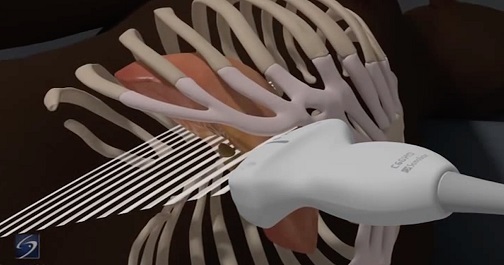
The gallbladder is not a fixed organ. Learn the best anatomical landmarks to help you locate and correctly identify the gallbladder and assess for cholecystitis and/or cholelithiasis. Differentiate between hepatic and portal veins and other vessels like ducts and arteries, and learn to spot the symptoms of gallbladder pathology, such as pericholecystic fluid, enlarged bile duct and gallbladder walls, and gallstones.
Ocular

Ocular Ultrasound

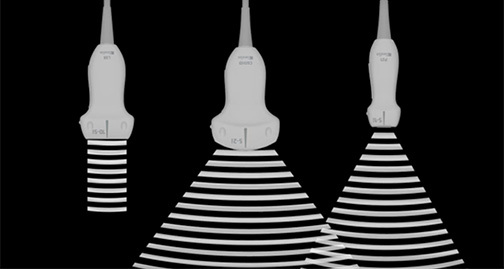
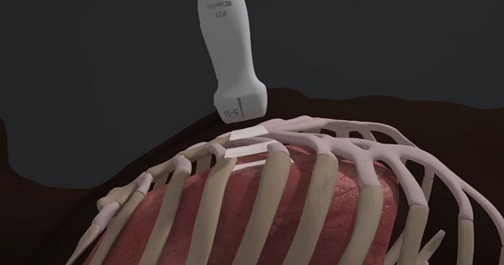
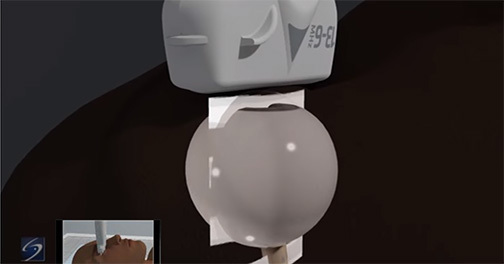
The eye can easily be visualized using ultrasound. Pathologies such as retinal detachment, vitreous detachment/hemorrhage, abnormal intracranial pressure, papilledema, and ruptured globe can be identified even by the novice users of ultrasound. Learn which transducers, exam types, and gain/depth settings are ideal for ophthomalogical imaging.

RUSH

RUSH

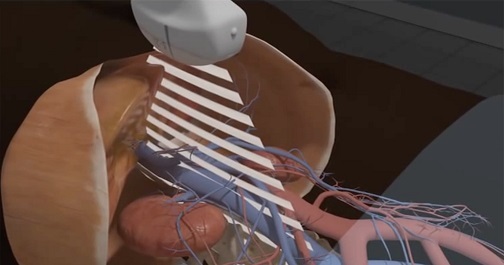
The RUSH course is designed for medical professionals with comprehensive knowledge of the core underlying concepts of the RUSH protocol, which includes cardiac, Inferior Vena Cava (IVC), eFAST, lung, aorta, and Deep Vein Thrombosis (DVT) ultrasound examinations. Learn the RUSH protocol for assessing patients in shock. 

TEE Hero Image

TEE at the Point of Care

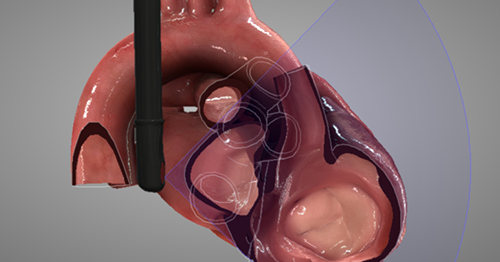
Our Sonosite TEE Community is an exclusive program for point of care clinicians bringing TEE at the point of care to the bedside. As part of this community, you have access to on-going educational resources, clinical evidence and peer-to-peer connections that will help expand your use of TEE at the point of care. In this section you have access to the following:

  • Resuscitative TEE  Course
  • TEE at the Point of Care Quick Guide
  • Cardiac Quick Guide
  • TEE at the Point of Care Webinar series
Dialysis

Ultrasound-Guided Dialysis (English Only)

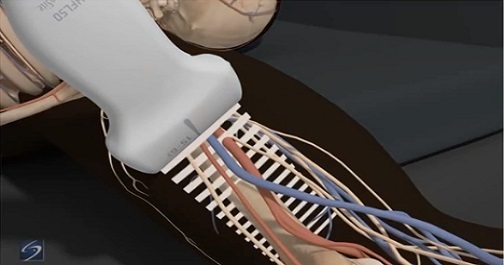
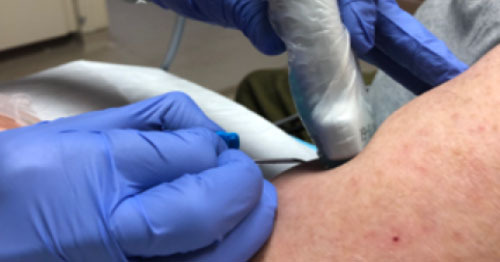
Point-of-care ultrasound is a powerful tool for cannulation. As the demographic of the average hemodialysis patient changes, the prevalence of difficult to cannulate vascular accesses increases. This course describes the technique of dialysis cannulation from equipment set-up, patient positioning, and securing the cannula to anatomical variables and pathology.

Ultrasound Guided Paracentesis

Ultrasound-Guided Paracentesis

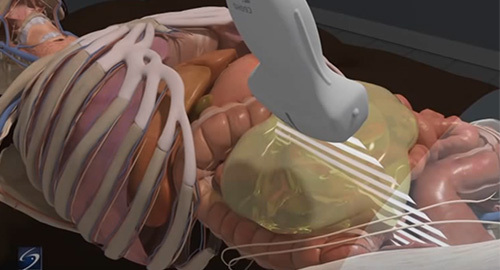
After completing the Ultrasound-Guided Paracentesis course, viewers should be able to explain the basic outline of ultrasound-guided paracentesis, including: methods for image optimization, ideal equipment selections and settings, identification of abdominal anatomy frequently encountered during paracentesis, and the most common procedural steps involved in performing an ultrasound-guided paracentesis.

Thoracentesis

Ultrasound-Guided Thoracentesis

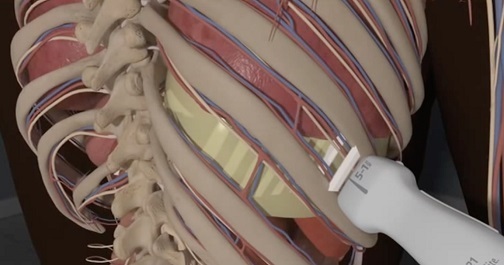
The Ultrasound-Guided Paracentesis course provides a basic outline of ultrasound-guided thoracentesis, including methods for image optimization, ideal ultrasound equipment settings (including transducer selection), identification of anatomical structures, and the most common procedural steps involved in performing an ultrasound-guided thoracentesis.